Chicago MusicTown is our vision for Chicago 2050 — a living cultural district built to reclaim value, restore dignity, and turn one of the greatest musical cities on earth into one of the greatest cultural destinations on earth.
Chicago gave the world some of its greatest music yet never built the place big enough to tell the truth about where that music came from, who carried it, what it cost, and what it still makes possible.
Chicago MusicTown is the answer to that unfinished work. This is not a small idea, and it is not a routine development. It is a new American landmark rising from Chicago's West Side, built to reclaim value, restore dignity, and turn one of the greatest musical cities on earth into one of the greatest cultural destinations on earth.
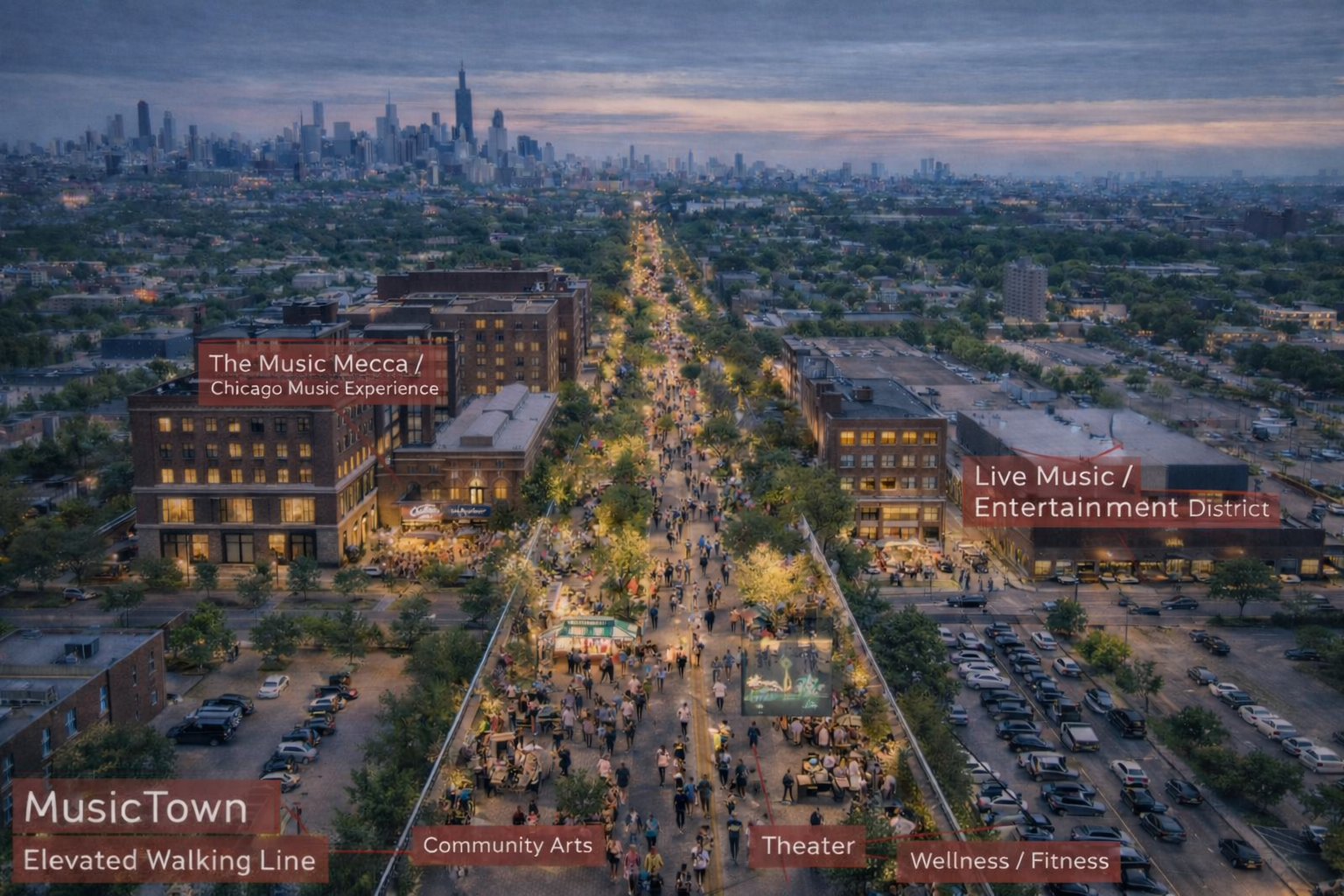
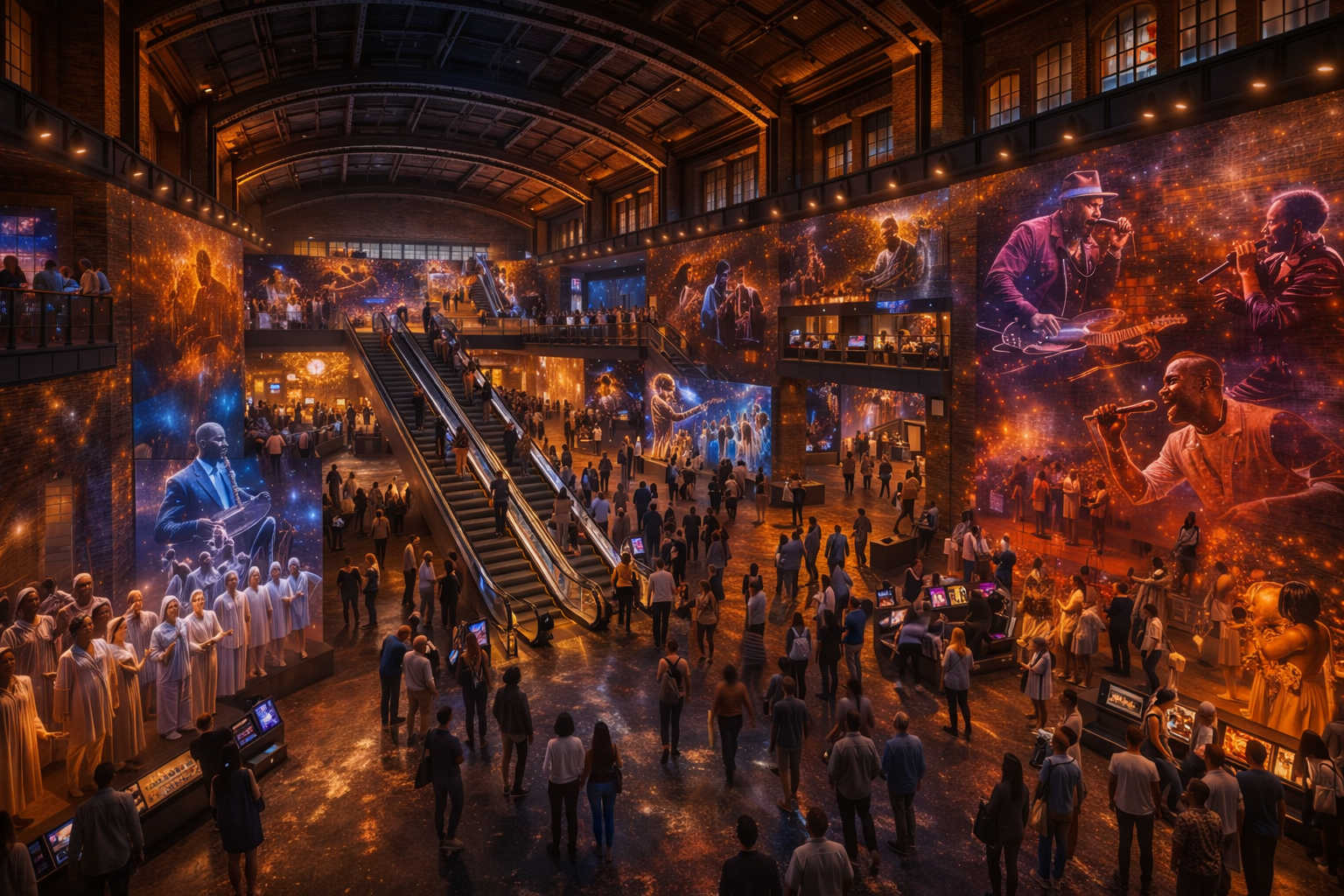
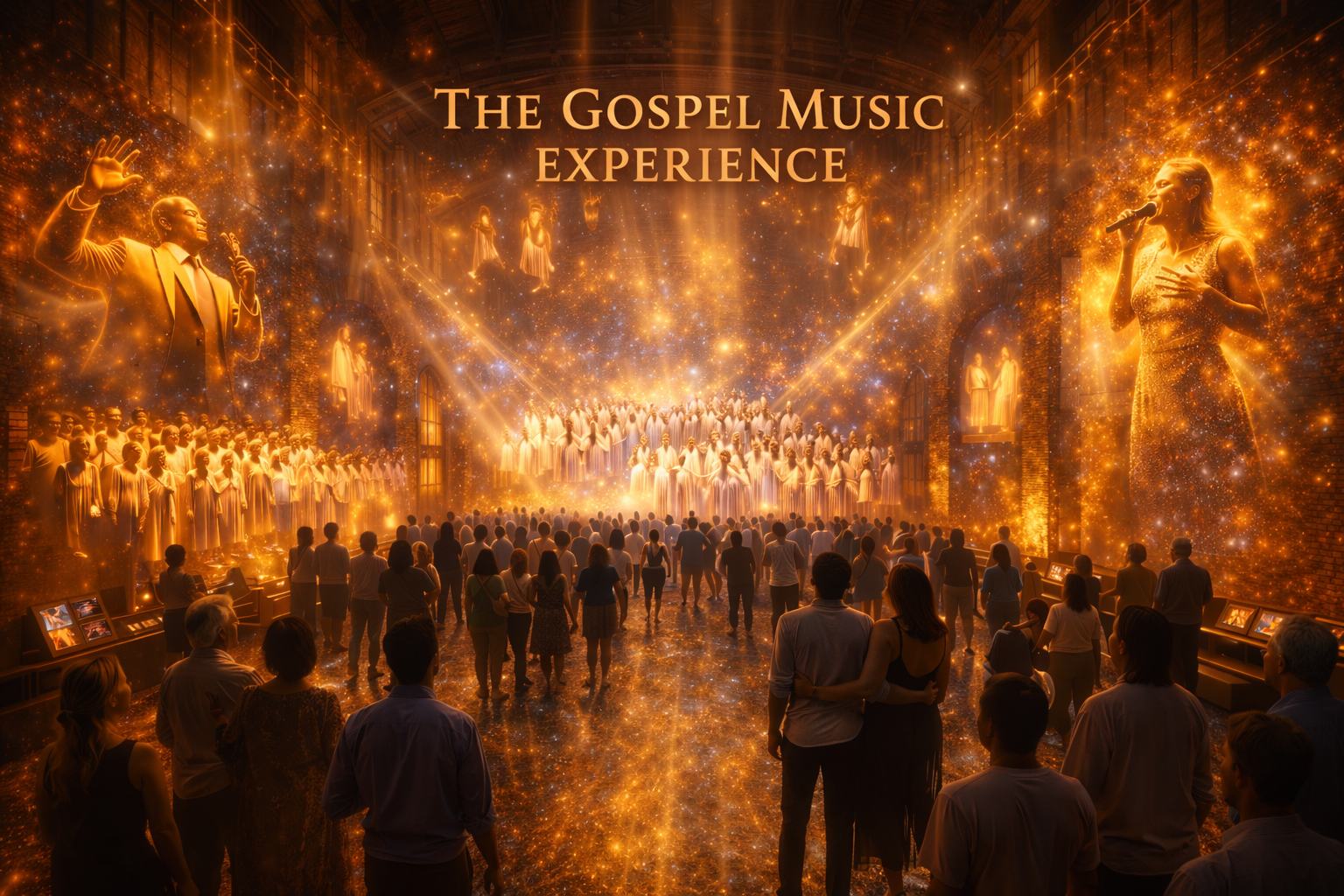
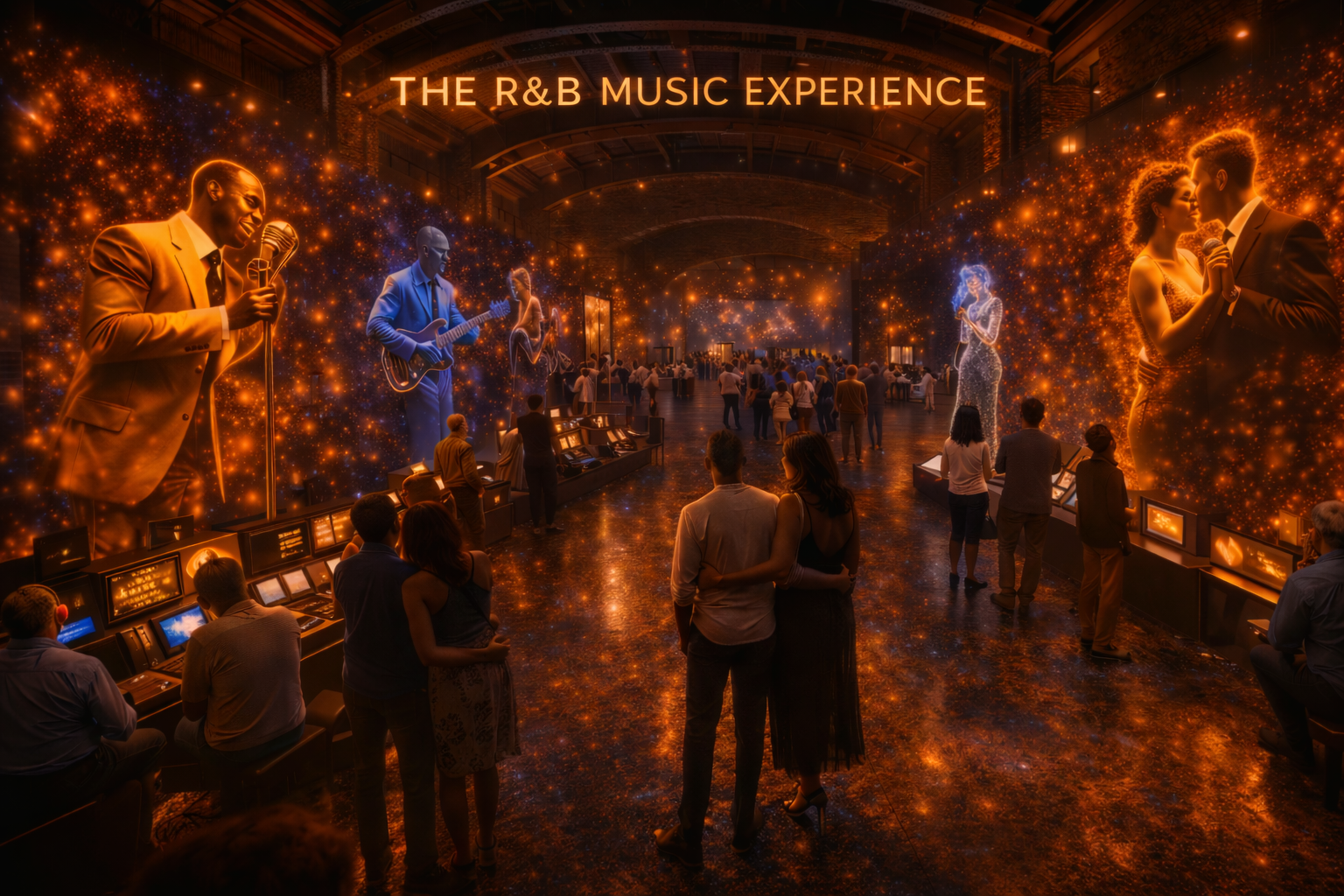
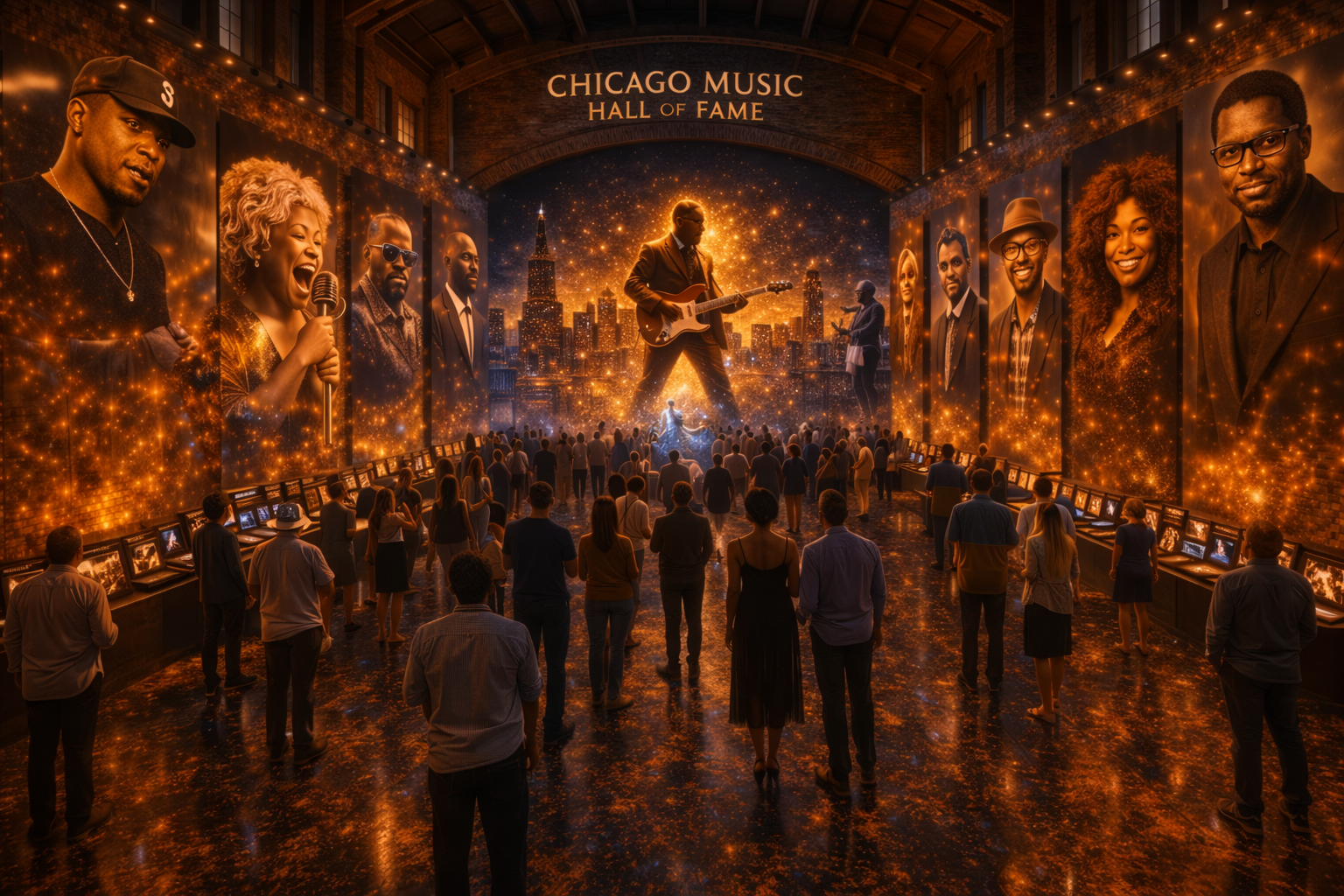
At the center of the vision is the Music Mecca — a never-before-built immersive cultural experience centered on the historic former Sears Administration Building in Homan Square, which we believe is the rightful home for this next chapter of Chicago's story.
For generations, Chicago has exported sound to the world while the neighborhoods that carried that sound were too often left with disinvestment, vacancy, and broken promises. The city monetized the product, but never fully honored the source. MusicTown is designed to reverse that pattern. Chicago is not just a city with a music scene. Chicago is a MusicTown.
MusicTown is governed by a principle that is both moral and practical: regeneration without gentrification. The people who stayed through the hardest years must be the primary beneficiaries when the economy finally returns.
Centered on the historic former Sears Administration Building in Homan Square — the rightful home for this next chapter of Chicago's story.
A cultural spine and movement corridor extending the Altenheim Line planning work — connecting the district through art, access, wellness, and memory.
A binding, community-rooted value structure where economic upside flows into resident-led stewardship — including long-term brand and cultural value.
A governing stake for the community in what gets built around them. Not vague promises filtered through politics — structural participation.
The Father Augustus Tolton Home Ownership Initiative — a path to stability, ownership, and legacy for families long locked out of wealth-building.
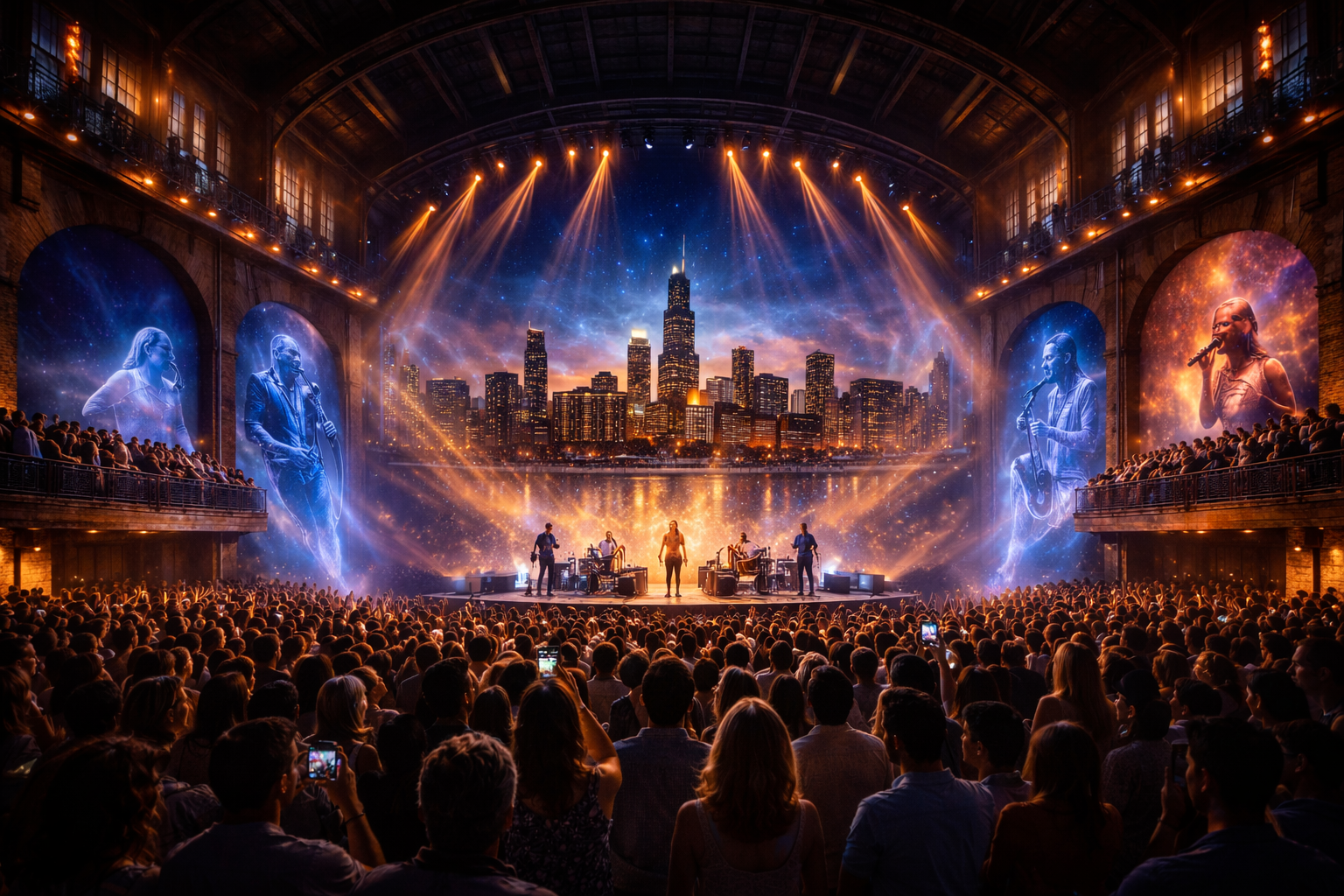
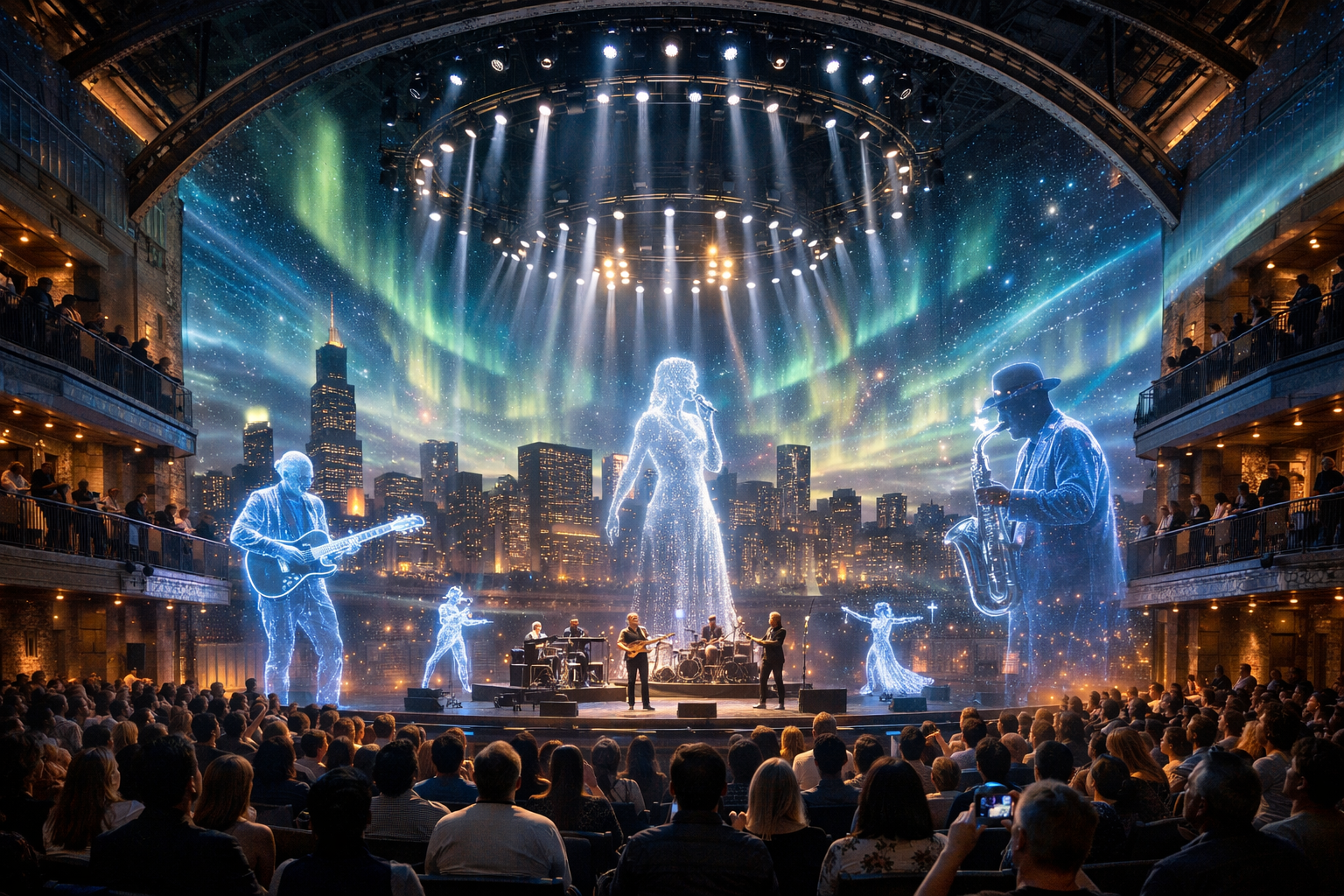
The largest walkable, multi-genre live music and entertainment district in the world — built on Chicago's own legacy, as a complete ecosystem.
"MusicTown is not asking to be included in the future of this city. MusicTown is declaring it."
Since 2018, the vision has been advanced through one of the hardest possible environments for any culture- and live-experience concept: the collapse of entertainment districts during the pandemic, prolonged instability across the live-events economy, and extraordinary adversity. The vision did not retreat. It became sharper, more grounded, and more implementation-minded.
The project is led by Powers B. Miller, founder and principal of MusicTown Development Corp., a second-generation real estate professional with roughly 30 years of experience across multiple asset classes. His role is not simply to sponsor a project, but to steward a long-horizon vision from concept to execution.
MusicTown did not begin as a public campaign or a top-down announcement. For years, it has lived in conversations with musicians, local leaders, cultural advocates, neighborhood organizations, educators, and people who understand the history and future of North Lawndale and Chicago's West Side. The vision took shape in studios, walkthroughs, and community dialogue long before public visibility.